Gallery
Reed Bed Almanac Editorial
Palette
Primary
Accent
Background
Card
Foreground
Catchment note · March

What the wet winter did to Kilcarn

Between November and February the catchment took a hundred and forty per cent of its long-term average rainfall, and almost all of it arrived in eleven days. This note describes what that did to the nitrate signal and why the answer is not simply “diluted it”.
The quarterly mean at Mill Weir came in at 22.7mg/l, which is comfortably inside the band and about four milligrams below the same quarter last year. Read alone, that is a good news story.

The daily record says something else. On 14 January, twelve hours after the peak flow, Ford Lane outfall reached 54.1mg/l — the highest single value recorded at that site in nine years. Dilution and flushing are not the same process, and a quarterly mean cannot tell them apart.

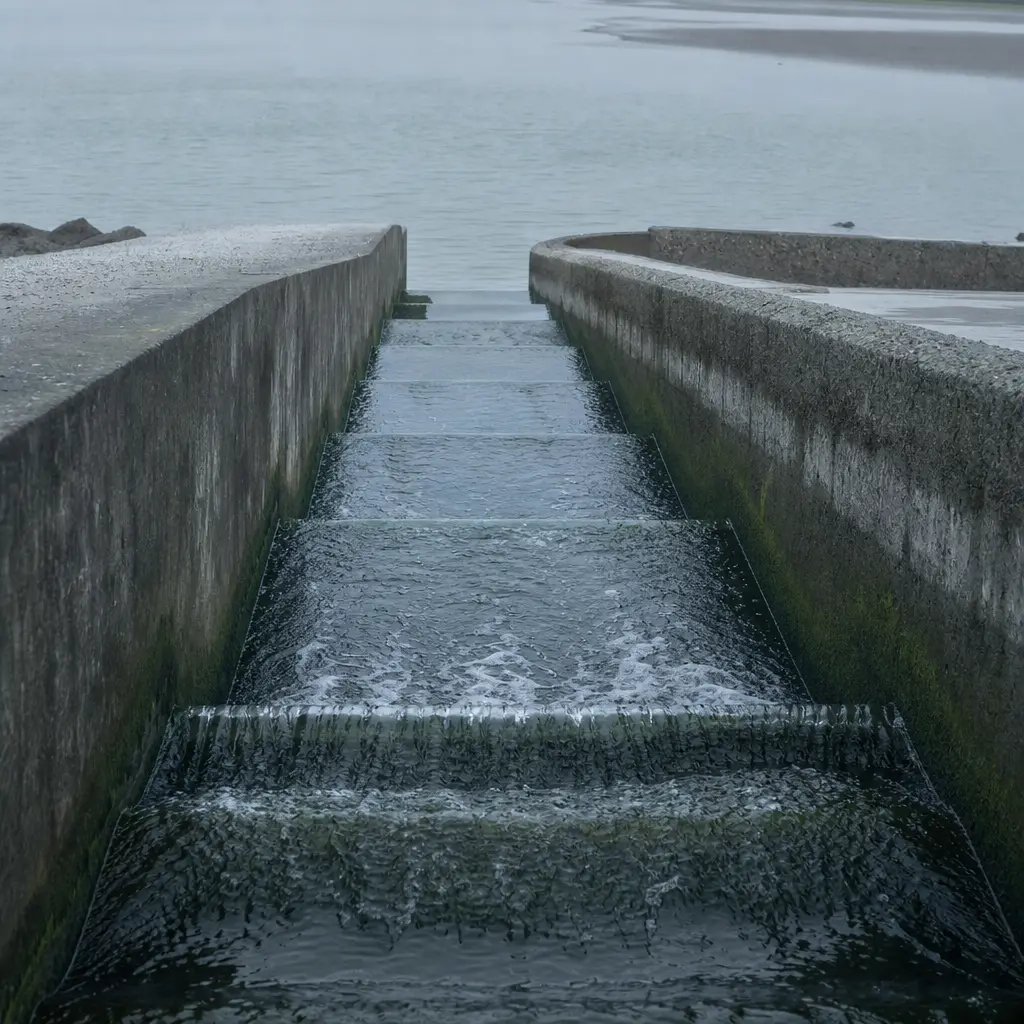
A stepped concrete sluice with green algae on the wet stone
The sluice at Mill Weir on 14 January, an hour before the peak. Photograph by the catchment team.

What we are changing

From April the Ford Lane sampler moves to two-hourly during any event above the 90th percentile flow. Quarterly means will still be reported because the permit requires them, but they will be published beside the event record rather than instead of it.

H. Aldwyn · Catchment Science